
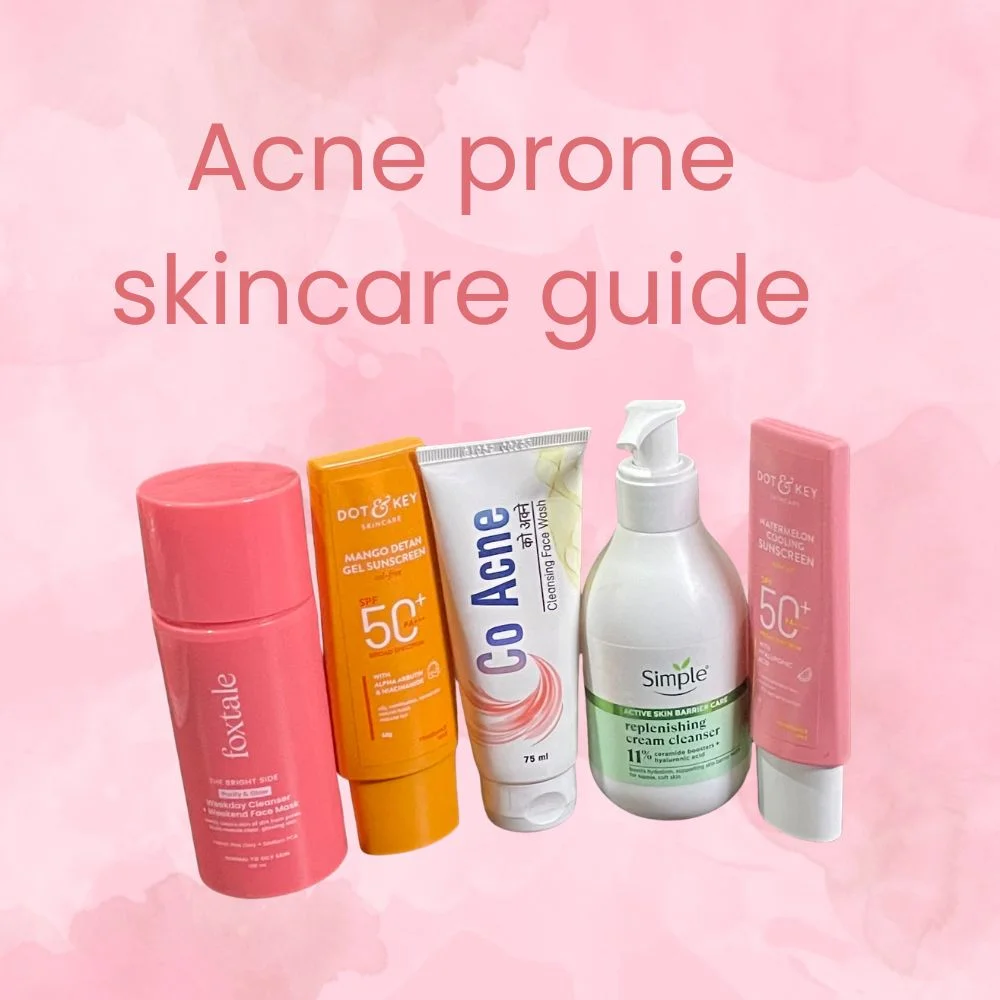
If you have acne-prone skin, you already know how tricky it can be to maintain a clear, healthy complexion. Breakouts, clogged pores, redness, and oiliness can make you feel frustrated, and the endless choice of products doesn’t help either. The good news? With the right acne-prone skin care routine, you can manage breakouts, prevent new pimples, and support your skin barrier.
This detailed guide will walk you through the best acne-prone skin care practices, dermatologist-approved tips, and effective products to help you achieve smoother, healthier skin.
Understanding Acne-Prone Skin
Before building your acne-prone skin care routine, it’s important to know why breakouts happen. Acne is mainly caused by:
Excess oil (sebum) production
Clogged pores due to dead skin cells
Bacterial growth (Cutibacterium acnes)
Hormonal changes and stress
Unhealthy lifestyle or wrong products
When these factors combine, they lead to blackheads, whiteheads, and inflamed pimples. The right skin care helps in controlling oil, keeping pores clean, and calming irritation.
Step-by-Step Acne Prone Skin Care Routine
A good skin care routine for acne-prone skin doesn’t have to be complicated. Stick to gentle, consistent steps both morning and night.
1. Cleanser (Morning & Night)
Choose a mild, foaming cleanser with ingredients like salicylic acid, benzoyl peroxide, or tea tree oil. These help unclog pores and reduce acne-causing bacteria.
 Avoid harsh soaps that strip your skin, as they can worsen oil production.
2. Toner (Optional)
A lightweight, alcohol-free toner with niacinamide or witch hazel can help balance oil levels and tighten pores.
3. Serum or Treatment
For targeted acne care, look for:
Niacinamide serums (reduce inflammation and redness)
Salicylic acid serums (exfoliate inside pores)
Retinoids (boost skin renewal and prevent clogging)
 Tip: Start slow with treatments to avoid irritation.
4. Moisturizer
Yes, even oily and acne-prone skin needs hydration! Choose an oil-free, non-comedogenic moisturizer with lightweight gel or lotion textures. Ingredients like ceramides and hyaluronic acid support your skin barrier without clogging pores.
5. Sunscreen (Daytime)
Sun protection is non-negotiable. UV rays worsen acne marks and cause pigmentation. Use a broad-spectrum SPF 30+ sunscreen that is labeled “oil-free” or “non-comedogenic.”
Best Products for Acne Prone Skin Care
Finding the right products is key. Look for these ingredients in your acne-prone skin care products:
Salicylic Acid – unclogs pores and prevents blackheads
Benzoyl Peroxide – kills acne-causing bacteria
Niacinamide – calms inflammation and strengthens the skin barrier
Tea Tree Oil – natural antibacterial properties
Retinol – prevents clogged pores and reduces acne scars
 Dermatologist-approved drugstore options often work just as well as high-end products. Always patch-test before use.
Lifestyle Tips for Acne-Prone Skin
Skin care is not just about products — your lifestyle matters too. Try these expert tips:
Eat skin-friendly foods: leafy greens, omega-3 rich fish, nuts, and fruits.
Stay hydrated: Drink at least 2–3 liters of water daily.
Manage stress: Yoga, meditation, or journaling can help regulate stress-related breakouts.
Change pillowcases often: Dirty fabrics can transfer bacteria and oils to your face.
Avoid touching your face: This prevents bacteria spread and pore clogging.
Common Mistakes in Acne Prone Skin Care
Even with good intentions, many people make mistakes that worsen acne:
Over-cleansing, which strips the skin barrier
Using too many harsh scrubs or exfoliators
Picking or popping pimples (causes scars)
Skipping sunscreen (leads to dark spots)
Frequently switching products (irritates skin)
Stick to a consistent acne-prone skin care routine for at least 6–8 weeks before expecting visible results.
When to See a Dermatologist
If your acne is persistent, painful, or leaving scars, it’s best to seek professional help. Dermatologists can recommend:
Prescription-strength retinoids
Oral antibiotics
Hormonal treatments (for women with hormonal acne)
Advanced procedures like chemical peels or laser therapy
Professional guidance can make a huge difference in managing stubborn acne.
Final Thoughts on Acne Prone Skin Care
Taking care of acne-prone skin requires patience, consistency, and the right products. Remember that clear skin doesn’t happen overnight. By following this expert acne-prone skin care routine, choosing the right products, and adopting healthy habits, you can reduce breakouts and enjoy a smoother complexion.
Sending skin-loving hugs,
Ish ♡